Bladder Concerns Not Limited To Women
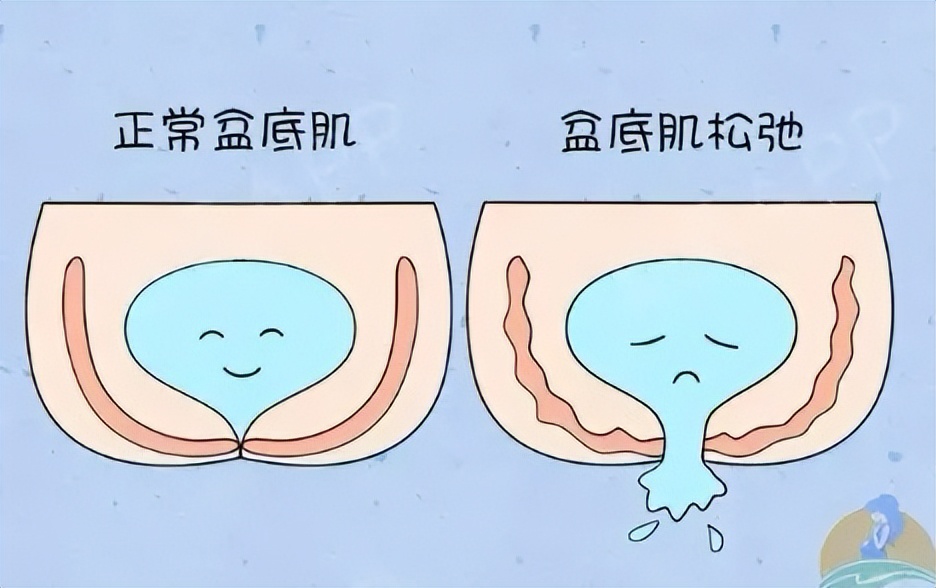
Exactly How To Quit Urinary System Incontinence In Ladies Overactive bladder (OAB) affects numerous women, and it can seriously interfere with every day life. The unexpected demand to urinate, constant washroom trips, and even unforeseen leakages can be frustrating and difficult to take care of. If the bladder sags out of setting, it can stretch the opening to the urethra. The gadget sends out electrical pulses to the sacral nerves, which manage the organs in the pelvic region. Your nerves runs the show, sending out signals regarding bladder dental filling and the urge to pee. When the bladder's concerning fifty percent complete, you'll feel need, yet you can typically hold it till you prepare. The pelvic floor muscles and urethra maintain things tight so you don't leak.
What Is Perimenopause? A Physician Discusses
What can an urologist do for a weak bladder?
- According to conservative treatment standards it ought to include pharmacotherapy, physiotherapy, and behavioral therapy.
- Menopause brings hormonal adjustments that make cells around the urethra and bladder less solid and much less stretchy.
- The Burch technique enables the resolution of involuntary voiding of 68.9% to 88% of clients.
- If you are unexpectedly experiencing a damaged bladder, and if the signs do not decrease or they intensify with time, seek the help of a urologist near you.
What Are The Primary Variables Contributing To An Over Active Bladder In Ladies?
If you discover that some foods affect your bladder or intensify your signs, take into consideration changing your diet plan. You can do this in addition to pelvic floor exercises, tibial nerve excitement, or sacral nerve stimulation. Common root causes of over active bladder in women consist of nerve damage, urinary system infections, specific medications, and lifestyle-related factors. Administration typically entails a mix of lifestyle adjustments, pelvic flooring workouts, and, in many cases, medications. As females approach menopause, they might begin to experience changes in their bodies that can result in bladder troubles. This includes getting to and maintaining a healthy weight and doing routine workouts to enhance the pelvic floor.Find A Medical Professional
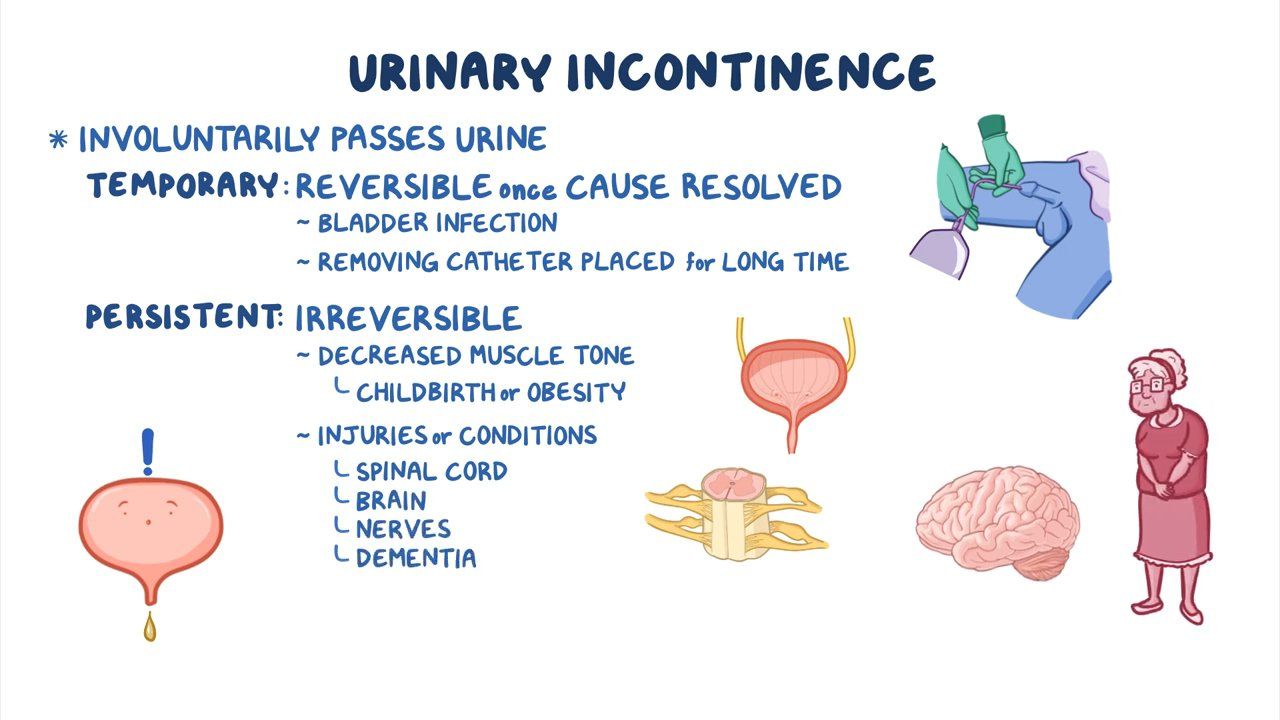
Parkinson's brings about the steady loss of brain cells that generate dopamine-- a chemical that aids control activity and automatic body functions, including bladder control. As Parkinson's progresses, various other chemical modifications in the brain and nervous system-- beyond dopamine-- might also influence bladder function. Women who are detected with diabetes mellitus go to threat of establishing an enlarged bladder.